

Small Bedroom Ideas That Actually Work: 12 Interior Designer Tips to Maximise Every Inch of Your Space.
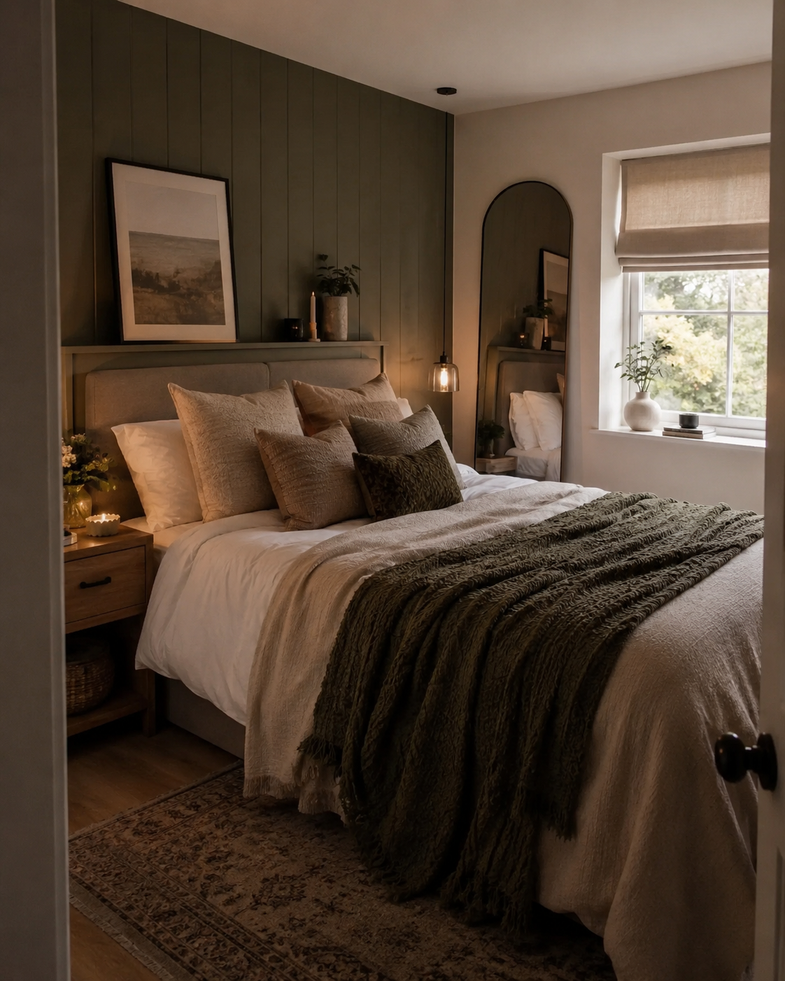
A small bedroom doesn't have to mean compromising on style, comfort or functionality. In fact, some of the most inviting interiors are the ones that have been thoughtfully designed with purpose. Whether you're decorating a compact spare room, updating a cosy master bedroom or making the most of a small new-build home, clever design decisions can completely transform the way your space feels.
Many people assume the only solution to a small bedroom is more storage, but great interior design is about much more than that. It's about creating balance, improving the flow of the room and making every element work harder. From choosing the right colour palette to selecting furniture that suits the proportions of the room, small changes can have a surprisingly big impact.
At LH Interior, we believe that every home deserves beautiful, practical design regardless of its size. Here are twelve interior designer-approved ideas that genuinely work when it comes to making a small bedroom feel larger, lighter and more luxurious.
1. Start with a Light and Cohesive Colour Palette
The colours you choose will have one of the biggest influences on how spacious your bedroom feels. Lighter shades naturally reflect more daylight, helping the room feel open and airy, whereas darker colours tend to absorb light and can make compact spaces feel more enclosed.
That doesn't mean every small bedroom has to be painted brilliant white. Warm neutrals, soft greys, muted greens, gentle taupes and creamy off-whites can all create a calming environment while still making the room feel bright.
To make the room appear even larger, try keeping your walls, ceiling and woodwork within the same colour family. This reduces harsh visual breaks and allows your eye to travel seamlessly around the room.
Designer Tip: If you love darker colours, consider using them through accessories, artwork or soft furnishings rather than on every wall.
2. Choose Furniture That Fits the Space
One of the most common mistakes people make is buying furniture that's either too large or too small for the room.
Oversized wardrobes and bulky bedside tables can dominate the space, making it difficult to move around comfortably. Equally, furniture that's too petite can make the room feel unbalanced.
Before buying anything, measure your room carefully and think about how you move through the space each day. Leave enough clearance around the bed so the room feels comfortable rather than cramped.
Furniture with slimmer frames and exposed legs also creates the illusion of more floor space because you can see underneath it, helping the room feel lighter.
3. Invest in Smart Storage Solutions
Storage is essential in any bedroom, but particularly in smaller spaces where clutter quickly becomes noticeable.
Rather than adding multiple pieces of furniture, choose items that combine style with functionality.
Some of our favourite storage solutions include:
Ottoman storage beds
Built-in wardrobes that reach the ceiling
Bedside tables with drawers
Storage benches
Floating shelves
Under-bed organisers
Over-door storage hooks
Using hidden storage allows you to keep everyday essentials tucked away while maintaining a calm and uncluttered appearance.
4. Think Vertically
When floor space is limited, your walls become one of your greatest design opportunities.
Vertical storage draws the eye upwards, making the room appear taller while freeing valuable floor space.
Consider adding:
Full-height wardrobes
Floating bookshelves
Wall-mounted bedside shelves
Picture ledges
Decorative wall lighting
Hooks for bags or accessories
Making use of vertical space is one of the easiest ways to increase storage without overcrowding the room.
5. Make Mirrors Work Harder
Mirrors are one of the oldest interior design tricks for a reason—they genuinely work.
Positioning a large mirror opposite or adjacent to a window helps reflect natural daylight throughout the room, instantly making it feel brighter and more spacious.
Mirrored wardrobe doors are another excellent solution because they provide a practical function while visually doubling the space.
For the greatest effect, choose one generously sized mirror rather than several smaller ones.
6. Layer Your Lighting
Lighting has a huge influence on how a room feels, yet it's often overlooked.
A single ceiling light can leave corners feeling dark and make the room appear smaller than it really is.
Instead, create layers of light by combining different sources such as bedside lamps, wall sconces, pendant lights or subtle LED lighting.
This allows you to change the atmosphere throughout the day while adding depth to the room.
Warm lighting is particularly effective in bedrooms, helping to create a relaxing environment that's perfect for winding down.
7. Keep Window Treatments Light
Natural light is your best friend in a small bedroom, so avoid blocking it with heavy curtains or bulky blinds.
Lightweight linen curtains or soft Roman blinds allow daylight to filter through while maintaining privacy.
Hanging curtains as close to the ceiling as possible and allowing them to fall to the floor also creates the illusion of higher ceilings.
It's a simple trick that makes a surprisingly noticeable difference.
8. Declutter with Intention
Even the most beautifully designed bedroom can feel cramped if every surface is covered with possessions.
Instead of filling every shelf or bedside table, choose a handful of meaningful accessories that bring personality to the room.
A carefully styled bedside table might include:
A ceramic lamp
A favourite book
A small vase of flowers
A scented candle
A framed photograph
Giving objects space around them creates a sense of calm and sophistication that instantly elevates the room.
9. Introduce Texture Instead of More Colour
Rather than adding lots of different colours and patterns, create interest through texture.
Layering natural materials such as linen, wool, boucle, wood and woven baskets gives the room warmth and depth without overwhelming the space.
A neutral bedroom filled with interesting textures often feels far richer than one filled with bright colours.
10. Consider Bespoke Furniture
If your bedroom has awkward alcoves or unusual dimensions, bespoke furniture can make an enormous difference.
Built-in wardrobes, custom shelving and fitted storage allow every centimetre of the room to be used effectively while creating a streamlined appearance.
Although bespoke furniture is a larger investment initially, it often provides better long-term value because it's tailored specifically to your lifestyle and home.
11. Create a Simple Focal Point
Every bedroom benefits from having one area that naturally draws your attention.
In most cases, this will be the bed.
A beautifully upholstered headboard, carefully chosen artwork or a statement pendant light above the bedside tables can all create a focal point without overcrowding the room.
Keeping the rest of the design relatively simple allows this feature to shine while maintaining a calm overall aesthetic.
12. Design Around Your Lifestyle
Perhaps the most important piece of advice is to design your bedroom around the way you actually live.
Ask yourself:
Do you need a dressing table?
Would a reading chair be more useful than another chest of drawers?
Do you work from home occasionally?
Could built-in wardrobes reduce everyday clutter?
Good interior design isn't about copying trends—it's about creating a space that genuinely supports your daily routine.
When your bedroom works for you, it naturally feels more organised, peaceful and enjoyable to spend time in.
Common Small Bedroom Mistakes to Avoid
While there are plenty of ways to maximise a compact bedroom, there are also a few mistakes that can make the space feel even smaller.
Try to avoid:
Choosing furniture that's too large for the room.
Pushing every piece of furniture against the walls without considering the overall layout.
Using too many contrasting colours or bold patterns.
Blocking natural light with heavy window treatments.
Over-accessorising every available surface.
Ignoring vertical storage opportunities.
Relying solely on one overhead light source.
By avoiding these common pitfalls, you'll already be well on your way to creating a room that feels far more spacious.
Final Thoughts
Designing a small bedroom isn't about squeezing in as much furniture as possible—it's about making thoughtful decisions that improve the way the space looks, feels and functions.
With a cohesive colour palette, clever storage solutions, layered lighting and furniture chosen specifically for the proportions of the room, even the smallest bedroom can become a calm, stylish retreat.
At LH Interior, we believe every home has the potential to feel beautifully designed, regardless of its size. Through thoughtful space planning and carefully considered interiors, we help create homes that are not only visually beautiful but practical for everyday living.
If you're planning to redesign your bedroom and would like professional guidance tailored to your home, we'd love to help you create a space that feels both functional and uniquely yours.
Shop the Edit
Discover my carefully curated selection of home décor, furniture and interior pieces featured throughout my posts
Interior Designer Yorkshire | Interior Designer Wakefield | Interior Designer Leeds | Interior Designer York | Interior Designer Harrogate